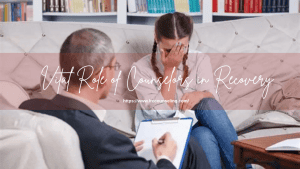
 Mental health is the foundation of overall well-being, yet for many people, finding the right support can feel overwhelming. Struggles with addiction, anxiety, depression, or trauma often leave individuals feeling isolated or powerless. This is where professional counselors make a profound difference. More than just listeners, they are trained guides who help people understand themselves, develop healthier coping skills, and build a path toward recovery. At LRC Counseling, the role of counselors goes beyond treatment plans. They form a healing connection that restores hope, confidence, and strength.
The Vital Role of Counselors in Recovery
Professional counselors are not only mental health experts. They are partners in the recovery journey. Whether someone is battling addiction or navigating emotional challenges, counselors provide a safe and nonjudgmental space where healing begins. This relationship allows clients to share openly while receiving constructive feedback, emotional support, and evidence-based strategies to move forward.
By helping clients uncover the root causes of their struggles, counselors address more than just symptoms. They guide individuals in developing long-term solutions that promote resilience and self-awareness.
Personalized Care for Every Journey
No two people face the same challenges in recovery. That is why individualized counseling is essential. At LRC Counseling, treatment plans are created with each client’s unique needs in mind. Counselors carefully assess personal history, current struggles, and future goals before designing a plan that fits.
Inpatient and Outpatient Options
For those requiring structured care, inpatient services provide 24-hour support and an environment focused entirely on healing. Outpatient programs offer flexibility, making it possible to balance counseling with work, school, or family responsibilities. Both options are supported by professional counselors who ensure clients stay on track with their recovery goals.
Beyond the Mind: A Holistic and Faith-Based Approach
Healing is not only about treating the mind. True recovery often requires addressing the whole person—mind, body, and spirit. Counselors at LRC Counseling use holistic methods that include practical skills training, mindfulness practices, and when desired, faith-based support.
This integrative model helps clients reconnect with their values and beliefs while finding strength in spiritual renewal. By uniting evidence-based therapies with faith and holistic practices, counseling becomes a powerful bridge to lasting well-being.
Skills That Last a Lifetime
The impact of professional counseling continues long after a session ends. Clients gain tools they can rely on for years to come, such as stress management techniques, emotional regulation strategies, and healthier communication skills. These skills reduce the risk of relapse and empower individuals to face future challenges with confidence.
Counselors also teach clients how to build stronger relationships, repair trust, and create supportive environments—all of which are vital to sustained recovery.
Building the Healing Connection
At the heart of counseling is connection. Counselors bring empathy, professional expertise, and encouragement to every session. This connection inspires trust, which allows clients to take meaningful steps toward healing. Over time, the bond between counselor and client becomes a source of motivation and empowerment, helping individuals believe in their ability to change.
Take the Step Toward Healing Today
Counselors are not just professionals. They are lifelines for those navigating the complex path of addiction and mental health challenges. Through individualized care, holistic healing, and compassionate guidance, they make recovery possible and sustainable.
If you or someone you love is ready to find hope and strength, LRC Counseling is here to help. Reach out today to begin building the healing connection that can change your life.