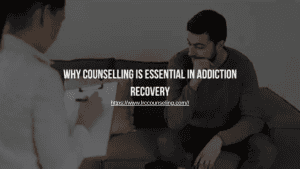
 Emotional balance is essential to living a healthy and fulfilling life, but for those struggling with addiction or mental health challenges, achieving that balance can feel out of reach. The path to recovery is not simply about stopping harmful behaviors—it is about rebuilding emotional strength, restoring purpose, and learning to live with clarity and confidence. Professional counselors play a vital role in helping individuals find that equilibrium by guiding them through self-discovery, healing, and sustainable personal growth.
At LRC Counseling, clients are met with compassion, expertise, and individualized care. Whether someone is battling addiction, managing anxiety or depression, or seeking renewed emotional stability, counseling provides the tools and support needed to move forward toward lasting recovery.
Understanding the Connection Between Emotional Wellness and Recovery
Addiction and emotional wellness are deeply intertwined. Many people turn to substances or unhealthy coping mechanisms to manage unresolved pain, trauma, or stress. Over time, these patterns can lead to dependency, isolation, and emotional instability. Counseling helps uncover the underlying causes of addiction and teaches clients healthier ways to process emotions and manage challenges.
A balanced emotional state makes recovery sustainable. When individuals learn to identify triggers, regulate emotions, and communicate openly, they are better equipped to maintain sobriety and rebuild meaningful connections with others.
How Professional Counselors Guide the Healing Process
Counselors provide more than just a listening ear. They bring structure, understanding, and proven therapeutic techniques that promote real change. Each session becomes a safe space for clients to explore their struggles without judgment and to develop new perspectives that encourage healing.
Individualized and Compassionate Support
No two people experience addiction or emotional distress in the same way. LRC Counseling tailors every treatment plan to meet the unique needs of each client. Counselors consider factors such as personal history, family dynamics, and co-occurring mental health concerns to create a plan that truly fits the individual.
Whether through inpatient care for those needing intensive support or outpatient counseling for clients managing recovery alongside daily responsibilities, LRC Counseling ensures that each person receives consistent, compassionate guidance.
Holistic and Faith-Based Approaches
Healing the mind is only one part of recovery. True balance comes from addressing the whole person—mind, body, and spirit. LRC Counseling integrates holistic practices and, when desired, faith-based principles that nurture inner peace and a sense of purpose. These methods may include mindfulness, meditation, or spiritual reflection, all aimed at helping clients build a foundation of resilience and hope.
Building Emotional Strength for Life After Treatment
Recovery is an ongoing journey. Counseling equips individuals with tools for long-term wellness, including stress management, communication skills, and relapse prevention strategies. As clients gain emotional awareness and confidence, they become better prepared to handle life’s challenges without returning to destructive habits.
Taking the First Step Toward Balance and Healing
Finding balance in life after addiction or emotional struggle takes courage, patience, and the right support. Professional counseling offers a pathway to healing that is grounded in compassion, understanding, and evidence-based care.
If you or someone you love is ready to rebuild emotional wellness and begin the journey to recovery, LRC Counseling is here to help. With holistic, faith-based, and personalized treatment programs, you can find your way back to balance and live with renewed strength and purpose.